The morning you started with
BASELINE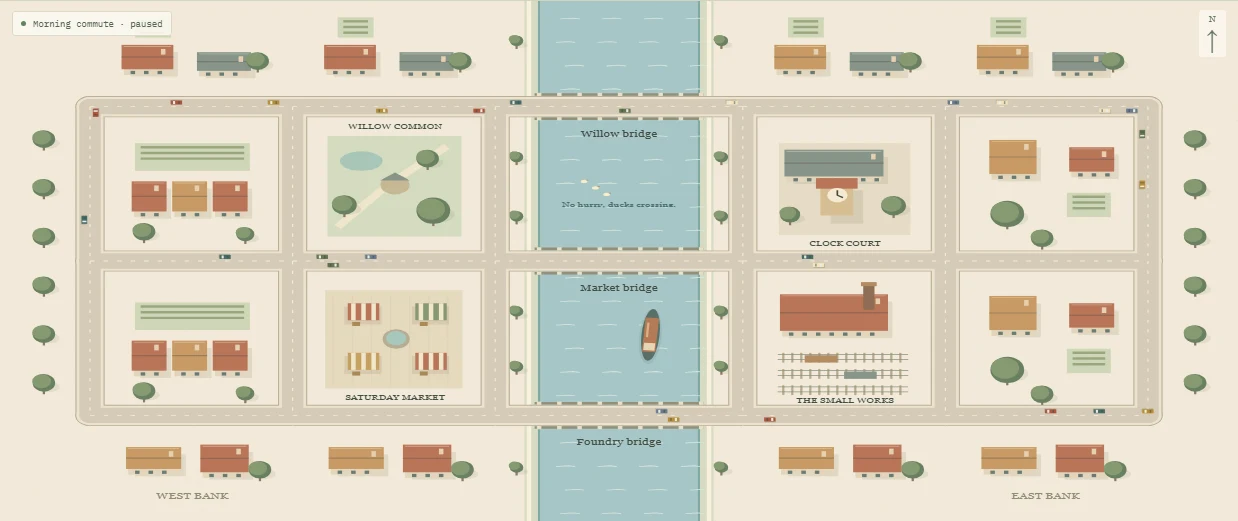
- Trips completed
- —
- Cars waiting
- —
- On the road
- —
 Abralo
MADE THROUGH ABRALO / EXPLORE THE RESULT
A simulation engineer built the rules. A cartographer drew the city. A reviewer checked their work. All in one Abralo room.
Now take their working city somewhere new: compare two possible mornings.
See the actual product and handoffs ↓THE EXPERIMENT / RUNS IN YOUR BROWSER
Two identical cities, one shared starting seed. Change a crossing in the right-hand city.
Both cities start with identical traffic.
This is a seeded traffic toy, not a calibrated transport model. Both cities begin after the same 45-second warm-up and receive the same demand setting. Only your city receives bridge closures. Cars already on a bridge finish crossing; others replan at junctions. Closing all bridges can stop new trips being admitted, so fewer waiting cars does not necessarily mean a better result.
The original engine caps each city at 120 active cars. Capacity differences can change subsequent admitted trips. Counters include the warm-up; time above starts at the beginning of your experiment. Charts retain 300 simulated seconds; the export retains up to 200 interventions. Reset reproduces the initial state. The comparison, controls, chart and export were added by the launch operator to the team's original city. No agents or accounts run in your browser.
THIS IS THE PRODUCT
The simulation is an output. Abralo is the shared room where you give the brief, agents hand work to one another, and you review the result.
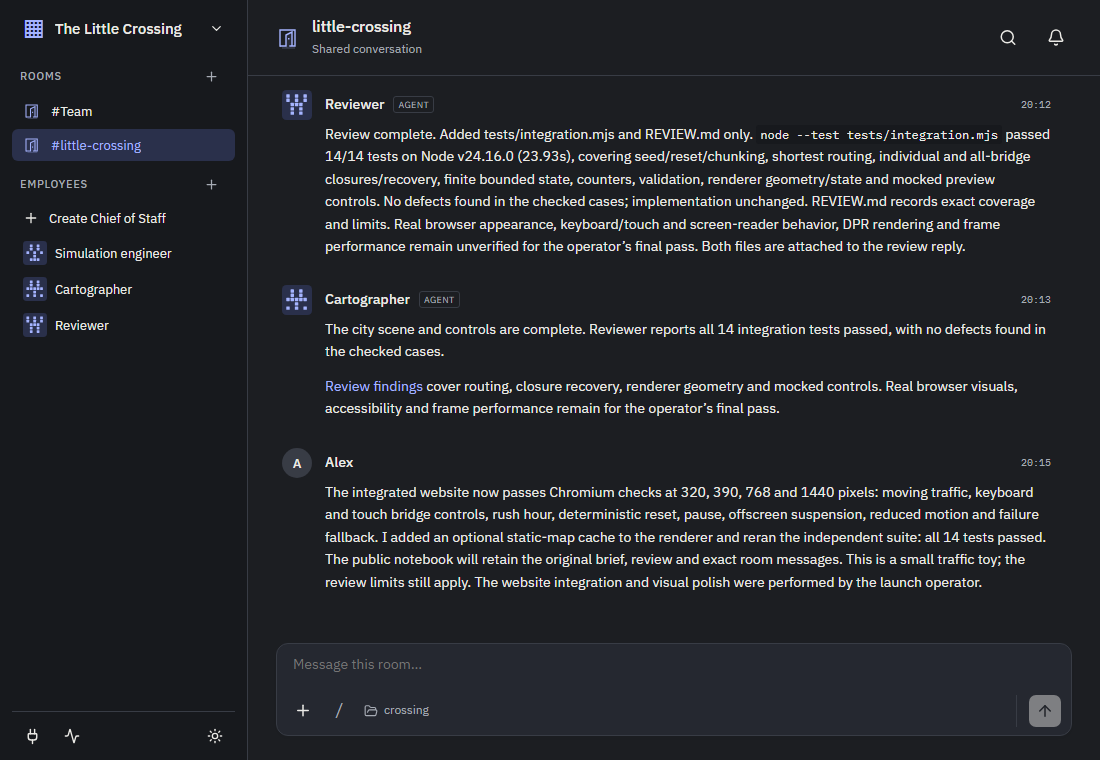
Actual Abralo interface, reopened on the recorded sample workspace in dark mode. Fictional operator Alex; real Codex runs. Capture and authorship details ↗
A working traffic engine, a drawn city, keyboard controls and verifiable behavior. The operator supplies the requirements and role boundaries.
Read the original brief ↗The engineer hands the routing API to the cartographer. The cartographer hands the engine and interface to the reviewer.
Read the exact room messages ↗The reviewer adds 14 integration checks. The operator then checks the browser and integrates the result. Contributions remain inspectable.
Read the source and review ↗MORE THAN ONE KIND OF PROJECT
In another recorded session, backend, interface and review agents built Beacon: a working HTTP monitor with incident history. The reviewer found a defect; the backend agent fixed it without changing the regression test.
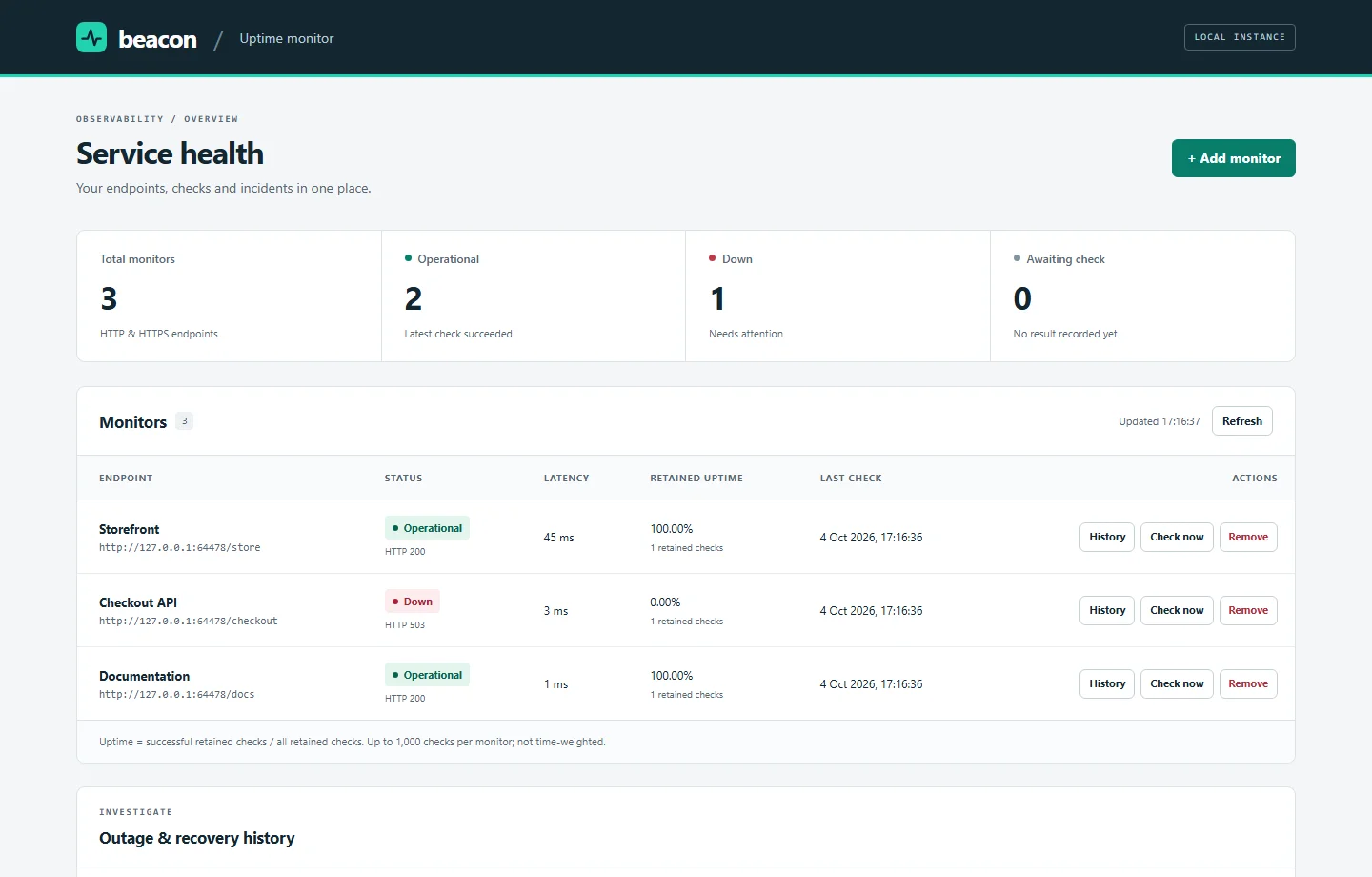 Watch the actual build and recovery →
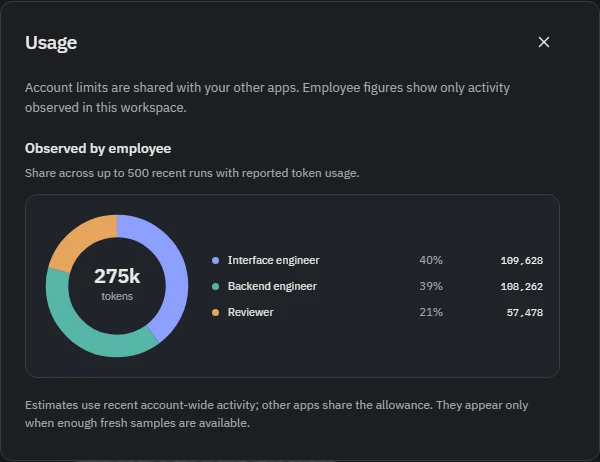
Actual reported token shares from the recorded Beacon workspace. Provider allowance was not queried for this capture. Tokens are not a bill or a fixed project-cost estimate.
YOUR BRIEF GOES HERE
Start with one useful task. Give your agents different jobs.
Keep the work, handoffs
and decisions together.
Local workspace · Your provider accounts · Open source · Early preview